
After-Hours Office Cleaning in Parramatta: What CBD Offices Need to Know
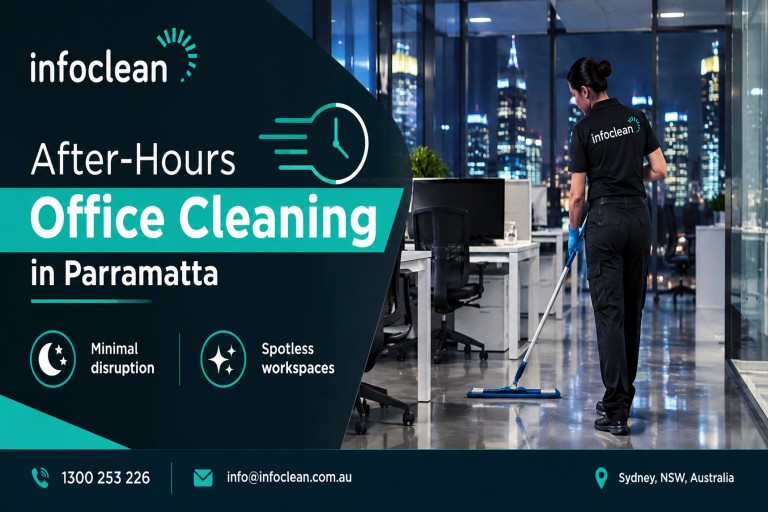
The need for a clean, hygienic and secure workplace does not end when the last employee leaves your Parramatta CBD office. For many businesses, Office Cleaning Parramatta works well after hours because cleaners can work without disrupting staff, clients, meetings or daily business activities.
Table of Contents
ToggleAfter-hours cleaning can also give cleaning teams more time to work through important areas without people moving around the office. This can include workstations, meeting rooms, kitchens, bathrooms, floors and other shared spaces.
This guide explains how after-hours cleaning can reduce disruption, what areas may need attention, what to ask a cleaning provider and why a cleaning plan should match the way your workplace is used.
Why Office Cleaning Parramatta Works So Well After Hours
Cleaning during busy office hours can be difficult. Employees may be working at their desks, clients may be visiting, and meetings may be taking place throughout the day.
After-hours cleaning allows the cleaning team to work without these interruptions. They can move through the office in a planned order and focus on the areas that need regular attention.
Common after-hours tasks may include:
- Emptying office bins
- Cleaning desks and shared surfaces
- Vacuuming carpets
- Mopping hard floors
- Cleaning kitchens and staff areas
- Cleaning bathrooms
- Wiping high-touch surfaces
- Cleaning meeting rooms and shared spaces
The exact tasks should depend on the size of the office, the number of employees and how the workplace is used.
What Should Office Cleaning Parramatta Include?
There is no universal cleaning checklist that suits every Parramatta office. A small office may need a simple daily routine, while a larger workplace may require more detailed cleaning across several areas.
A suitable cleaning plan may cover:
- Reception and entrance areas
- Workstations and desks
- Meeting rooms
- Kitchen and lunch areas
- Bathrooms
- Floors and carpets
- Door handles and other high-touch surfaces
- Shared equipment and common areas
The quality of an after-hours service depends on both what is cleaned and how the work is carried out. A well-planned service gives everyone a clear understanding of what to expect.
How Can After-Hours Cleaning Support Workplace Safety?
Cleaning is not only about making an office look tidy. Floors, bathrooms, kitchens and shared areas should also be kept clean and free from avoidable hazards.
Spills should be dealt with promptly, waste should be removed and cleaning products should be used correctly. Cleaning equipment should also be stored safely when the work is finished.
A professional cleaning team should follow suitable work practices and use the right equipment for each task. This can help reduce unnecessary risks while keeping the workplace presentable.
How Does After-Hours Cleaning Help With Office Security?
Security is another important consideration when cleaners work outside normal business hours.
Businesses should know who has access to their workplace and how keys, access cards or security codes are managed. Cleaning teams should also understand which areas they are authorised to enter.
Before choosing a provider, businesses may want to ask about:
- Staff identification and access procedures
- Key and access-card management
- Security codes and alarm procedures
- What happens if an access issue occurs
- How cleaners report damage or other problems
- Who should be contacted in an emergency
Clear procedures can make after-hours cleaning easier to manage and give both the business and cleaning team a clear process to follow.
Which Areas Need Extra Attention After Hours?
Some areas naturally receive more use than others. Shared kitchens, bathrooms, meeting rooms, reception areas and high-touch surfaces may need regular attention.
For example, door handles, lift controls, light switches and shared tables can be touched by many people throughout the day. These areas should be included in the cleaning plan where appropriate.
The cleaning routine should be based on how the workplace is actually used. An office with frequent visitors may need more attention in reception and shared areas, while a workplace with many employees may need greater focus on kitchens, bathrooms and shared workspaces.
What Should I Ask Before Choosing an After-Hours Cleaning Team?
Knowing what questions to ask makes it easier to choose a cleaning provider.
Before making a decision, ask about:
- The services included in the cleaning plan
- Available cleaning times
- How cleaners access the building
- How security procedures are handled
- Whether the plan can be changed as your needs change
- How cleaning issues are reported
- Whether a quote is available before starting
It is also useful to explain how your office operates. Tell the provider about your working hours, busy periods, meeting schedules and areas that need special attention.
This information can help the cleaning team create a routine that fits your workplace rather than using the same approach for every business.
Could One Cleaning Approach Work Across Sydney?
Different workplaces can have very different cleaning needs. A business looking for an Office Cleaning Service Sydney provider may need a different plan depending on its location, building type, staff numbers and operating hours.
For example, Office Cleaning Chatswood may involve different building layouts, access arrangements and work schedules from an office in Parramatta.
Strata properties can have additional shared areas to consider. Shared entrances, hallways, lifts, car parks and amenities may form part of strata building cleaning sydney requirements, depending on the property and cleaning agreement.
This is why businesses should discuss the building and its daily use before agreeing to a cleaning schedule.
Why Does a Personalised Cleaning Plan Matter?
A personalised cleaning plan can help make sure the cleaning work matches the way your office is actually used.
For example, an office that has employees working late may need some areas cleaned at different times. A business with regular visitors may want reception and meeting areas given more attention.
Infoclean states that it provides cleaning plans for different workplace requirements. Its service information covers office and commercial cleaning, along with cleaning for other types of properties.
When discussing your requirements, share details about your office size, working hours, high-use areas and any specific cleaning needs. This gives the cleaning provider a better understanding of what your workplace requires.
How Can I Get More Value From After-Hours Office Cleaning?
A good cleaning routine should be practical and easy to manage. It should also be reviewed when the way your workplace operates changes.
If your business moves to a new office, changes working hours or increases the number of employees, your cleaning requirements may change as well.
A cleaning provider should be able to adjust the cleaning plan instead of keeping you on a routine that no longer suits your workplace.
Regular communication also helps. If an area needs more attention or a cleaning task is no longer required, let the provider know. Small changes can help keep the cleaning plan useful over time.
Conclusion
After-hours cleaning can be a practical option for Parramatta businesses that want to maintain a clean workplace without interrupting employees, clients or meetings.
The right approach depends on your office layout, working hours, staff numbers, shared areas and security procedures. A clear cleaning plan can help ensure the areas that matter most receive regular attention.
If you are comparing Office Cleaning Parramatta options, look for a provider that understands your workplace and can create a cleaning routine around your actual needs.
Need After-Hours Office Cleaning in Parramatta?
Need help keeping your workplace clean after business hours? Contact Infoclean to discuss your cleaning needs and ask for a free, no-obligation quote tailored to your workplace.
Suggested Visit: Carpet Steam Cleaning Sydney
Frequently Asked Questions
What are the benefits of after-hours Office Cleaning Parramatta?
After-hours cleaning can reduce disruption during the working day. It allows cleaners to work through offices, meeting rooms, kitchens, bathrooms and other shared areas when fewer people are present.
What is included in an after-hours office cleaning service?
Services can include vacuuming, mopping, dusting, wiping shared surfaces, cleaning bathrooms and kitchens, emptying bins and cleaning common areas. The exact tasks depend on the workplace and agreed cleaning plan.
Can an Office Cleaning Service Sydney provider work outside normal business hours?
Many cleaning providers offer different scheduling options, but availability depends on the provider and the workplace. Businesses should discuss their preferred cleaning times before agreeing to a service.
How often should an office in Parramatta be cleaned?
The right frequency depends on factors such as staff numbers, office size, visitor numbers and how heavily shared areas are used. Some offices may need cleaning daily, while others may need less frequent service.
Does Office Cleaning Chatswood work the same way as office cleaning in Parramatta?
The basic cleaning tasks may be similar, but the cleaning plan can vary based on the building, access arrangements, office layout and working hours. Each workplace should be assessed based on its own needs.
What areas can be included in strata building cleaning sydney?
Depending on the property and agreement, cleaning may cover shared entrances, hallways, lifts, common areas, amenities and other shared spaces. The exact areas should be confirmed with the strata manager or cleaning provider.
How can I choose the right after-hours cleaning provider?
Ask about the services provided, cleaning times, building access, security procedures, reporting processes and whether the cleaning plan can be adjusted. A clear quote and cleaning scope can also help you understand what is included.